The Parents’ Guide to Navigating a Comic Shop
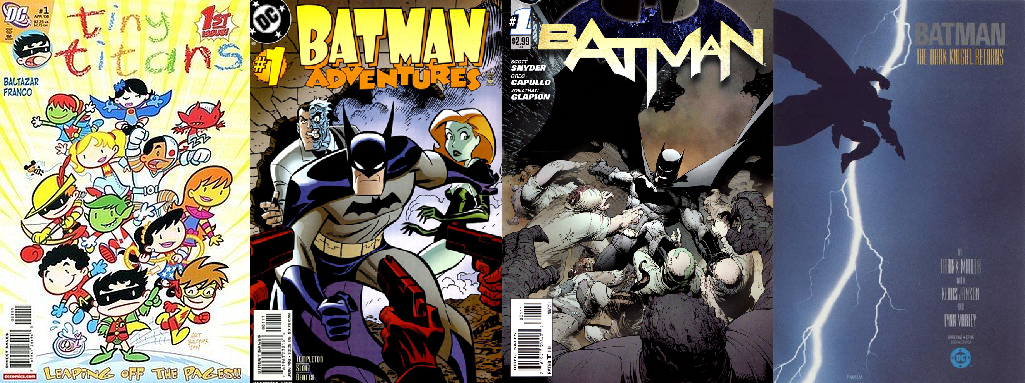

Fun for the whole family!
I haven’t read much Zombie Tramp, but I’m pretty sure it’s not appropriate for a 10 year-old kid. Mom and I both quickly lunged and got it out of her hands before it was too late. I then quickly intoned, “How about Rocket Raccoon? It’s about a raccoon and his talking tree in outer space!” The kid got excited, and they happily went off to look for it. Disaster averted.
I’m betting this situation is not uncommon. The last decade has seen an insane number of comic book properties adapted into movies and television shows. Graphic novels are now a common section in public and school libraries. Comic shops hold themselves out to the public twice a year with Free Comic Book Day in May and Halloween Comic Fest in October. Unprepared parents are going to wander into comic shops looking for something good and wholesome for their kids, and they might end up with an unpleasant surprise.
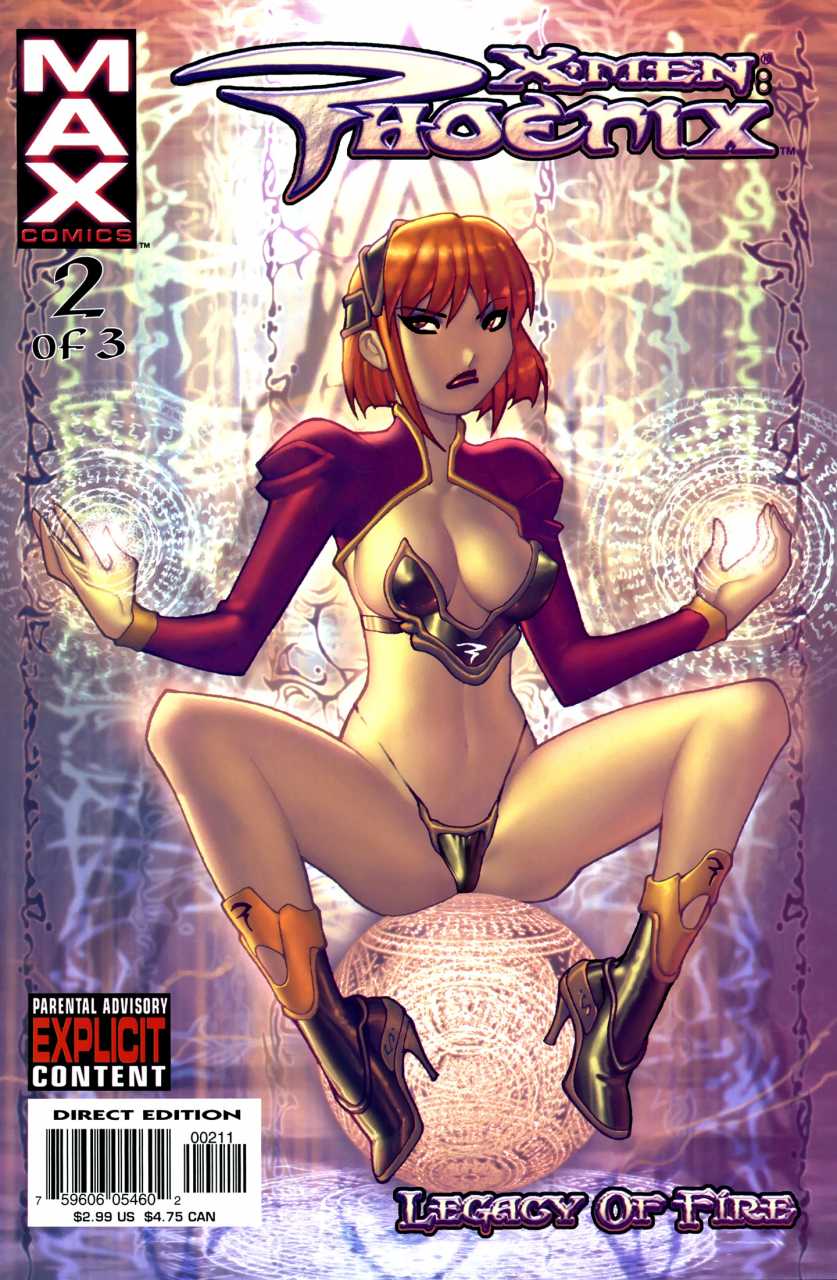
Like the time Marvel thought it would be a good idea to publish this.
I’m a comic shop regular. I’ve been going to the same shop for about three years and I have a fairly decent sense of the store’s layout, so I pretty much know where I need to go if I want new issues, older issues, trades, games, and toys. If I’m stuck, I’m lucky enough to go to a store with an incredibly helpful staff who can help me find it. But that’s me and my situation. Newcomers to any given shop in the country may not be so lucky.
So, the intent of this article is to help you parents who’ve never been in a comic shop before figure out how to go about it. Here’s PCU’s recommended tips for navigating a shop.
Step 1: Find and Research a Comic Shop
You’d think this step would be as easy as looking in the phone book, but I still recommend doing a little research before you blindly walk into a store. So, first: look for a shop that’s within a comfortable distance of your home. You could, of course, go off the phone book or internet search provider if that suits you. One helpful website is Diamond’s Comic Shop Locator, which lets you search by zip code for stores. In more isolated areas, you might only have one. In major areas, you may have a lot within the region. Look carefully–you might also find less-traditional comic shops that specialize in books, records, and trading cards, and comics may be a smaller part of a larger collectibles store.
You’re not done yet. Comics are like any other non-chain store: they vary by what the owner wants to put into them. Some shops are going to be your classic hole-in-the-wall, while others will be clean, organized, and friendly. If you want to try a specific store, see if it has a website, a Facebook page, or some other social media presence. See if there are reviews which give you a hint as to how friendly the store is. Maybe people have left it bad reviews. Maybe their website has photos, and you can figure out whether it’s a corner shop that carries nothing but Batman, or a mega-store that looks like it has something for everyone.
You might actually consider calling the store. Ask them if they have a kids’ section. Your mileage may vary on what that means. Some stores may have a substantial part of the store reserved for children, while the more mature and even “adult” comics will be further in the back. Others may really just have a few kids’ titles on a small rack, but the bulk of the store is devoted to broad audiences.
Step 2: Figure Out Your Kid’s Tastes
This should be obvious…except it’s not. Unless you’re a completely uninvolved parent, you should have some notion of your kid’s intelligence and tastes. If your kid watches movies or television shows, you should have some idea of what he or she is into in terms of pop culture characters. If your kid has hobbies–sports, music, reading–you should know his or her general interests. Ideally, you should have some notion of whether your kid is into action, adventure, humor, or maybe even horror.

Sometimes comics offer both humor and horror.
Chances are, your kid is into some mass-media property out there which is sourced from a comic book. If your kid liked The Avengers or Man of Steel, obviously you’ll find comic books based on them. However, a lot of other mass-media properties have been adapted into comic book form at some point, and your local shop just might carry them. As of this writing, there are comics based on Disney characters, My Little Pony, Transformers, Ninja Turtles, Adventure Time, Regular Show, Steven Universe, Pokemon, Hello Kitty, Sonic the Hedgehog, The Simpsons, and a whole load of others. Just this week, I discovered the first issue of the Minions comic, well-timed for next month’s movie. Point is, there should be something out there your kid is into which also exists in comic form.
Step 3: Broaden Their Horizons
Don’t be afraid to let your kid read something else, however. Sure, your kid could read a My Little Pony comic to supplement the 28 hours a day of it that she watches on television. However, there’s a lot of comics based on completely original concepts which may also appeal to your kid. Lumberjanes is a popular new comic about a group of “girl scouts” and their adventures solving mysteries in the woods. Mouse Guard is a charming comic about mice living in a medieval fantasy world.
In other words, there’s a lot to the comic book industry besides mass-media adaptions. There’s also an opportunity to expose your kid to totally new concepts and turn them into a trendsetter. So yes, be ready to go looking for characters that your kid already knows, but also consider introducing them to something else.
Step 4: Know Their Maturity Level
Unfortunately, there’s no universal rating system for comics. Marvel and DC have their own respective ratings systems for their titles. Other companies may as well, but it’s not like there’s some objective third party providing the ratings, nor is there any guarantee that the ratings are accurate or meet your own expectations of what your kid should be reading.
As a parent, you should know your kid’s maturity level. A two year-old, a six year-old, and a twelve year-old are all going to have different interests and be able to handle different things. Like television and movies, a lot of comics are going to have themes and stories which little minds may not be ready to handle: violence, drugs, alcohol, sexuality, and social issues.

This one is based on the theories of Charles Darwin.
Here’s the problem–as a parent walking into a comic shop for the first time, you’ll have no idea what’s going to be appropriate for your child to read at his or her maturity level from the cover alone. You might get an idea from the cover, but unless you start perusing each book page by page, you won’t be sure. Mainstream superheroes in particular are problematic, because you’re dealing with characters who’ve had many incarnations over many decades, and only some version of those characters will be appropriate for your kid.
Here’s an example. Your kid may watch “Teen Titans Go!,” a cute superhero show on Cartoon Network that’s probably appropriate for kids ages 4 and up. It deals with five teenage superheroes dealing with incredibly stupid adventures like trying to have two Christmases in a row or seeing if they can say nothing but the word “waffles” all day. It’s dumb, but it’s good dumb and your kids probably laugh their heads off watching it. So maybe your daughter is a big fan of the show’s goth-girl, Raven. So you walk into the shop asking if they have any books with Raven in it. What you could end up with is any of the following:
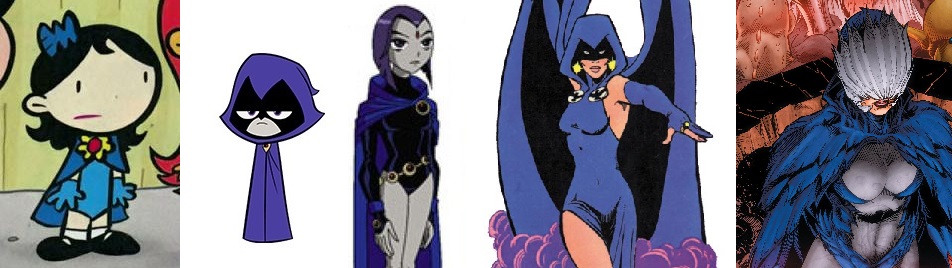
All the same character, but which one is right for your kid?
This is pretty much a given for any superhero comic. The “big two” mainstream publishers–Marvel and DC–have a multitude of versions of their characters, some of which will be appropriate to all ages, while others should really be reserved for a more adult audience.
Always remember to have the “for kids” filter on when you walk your child into a shop. You are looking for comics for kids. If they want to read Batman, make sure it’s Batman for kids. (The current “main” Batman title, which is called Batman, is most definitely a PG-13 rated comic.)
Anyway, armed with this knowledge, now it’s time to…
Step 5: Take Them to the Shop
Naturally, you need to actually need to take your kids to the store. With any luck, you’ve found a large store that is welcoming to children and will try to help you find some age-appropriate books for them. Some stores may have the kids’ books tucked away into a single section of the store. Others may have the kids’ books spread throughout the store.
A few things to remember about comic shops:
- Comic books are released on a weekly basis, typically on Wednesdays. This may mean that new issues are in one part of the store, while recent-but-not-new issues are spread out elsewhere. (Readers often want to get caught up on missed issues, so stores may have several months’ worth of a given title.) This means that you might find Teen Titans Go! #12 in one part of the store, and the other issues elsewhere.
- Many comic books are multi-part stories spread over several issues, just a story on a television show might spread over several episodes. This isn’t true of all comics–particularly kids’ comics–but its a risk. If your kid wants a specific book, go for it–but check the issue to make sure it isn’t starting in the middle of a story. If it is, consider asking the store if they have the earlier issues so your kid gets the complete story.
- Related, you should be aware that comic books are really sold in three formats:
- Single issues: usually a 32-page magazine made entirely of paper.
- Trade paperbacks: a larger collection of multiple single issues, usually published several months after those issues have been released.
- Hardcovers: Much sturdier versions of trade paperbacks, usually for readers who want a “prestige” collection which looks nicer on a bookshelf.
- There’s no right or wrong answer as to which one of these you buy. If you need a larger story, such as for a car trip, a trade paperback is appropriate–but they’ll also cost more. Single issues are good for a quick read and for building their larger collection, though they’re also more vulnerable to abuse.
- Remember that in a comic book store, you’re dealing with merchandise. Expensive merchandise which many people maintain as collectibles. I trust that most kids are good, but some have a tendency to recklessly grab things. Encourage your kids to leaf through comics to find what they like, but make sure they’re doing so in a way that respects the merchandise so that the retailer can still sell the book if your kid puts it back.
- Finally, I mentioned this earlier, but it bears repeating: comic shops have two annual “freebie days” now–Free Comic Book Day on the first Saturday in May and Halloween Comic Fest on the last Saturday in October. On those days, if your shop is participating you can get whatever free books the retailers put out within whatever limits they specify. (Some shops only allow you to take one or a few free books, not all.) These two days may be a good opportunity to try some free sampler issues as a gateway to other books. Besides, your shop may offer some other treats on those days, like costume contests or creator signings.
Finally, the most important step is to….
Step 6: Read the Comics Your Kids Are Reading
Parents need to give kids increasing amounts of privacy and autonomy as they get older, but in the early years, it pays to know what they’re reading. You might consider reading with or to your kids, but even if you don’t, do at least flip through their comics and see what they’re getting themselves into. You never know what odd topic will pop up in any comic–regardless of purported age level–which you the parent might find inappropriate. As the parent, you’re ultimately the one who needs to be steering your kids.
So that’s it: know what your kid can handle; find a shop that will cater to them; help them figure out what kind of comics they want to read. Play it right, and your kid may develop a lifelong hobby, and they may end up introducing you to comics you didn’t know you’d like. Happy shopping!

 Pop Culture Uncovered
You must be logged in to post a comment.