
AV Brew: Scars Unseen|Changing the Conversation
Written by Morgan Wenerick
C/TW: domestic violence
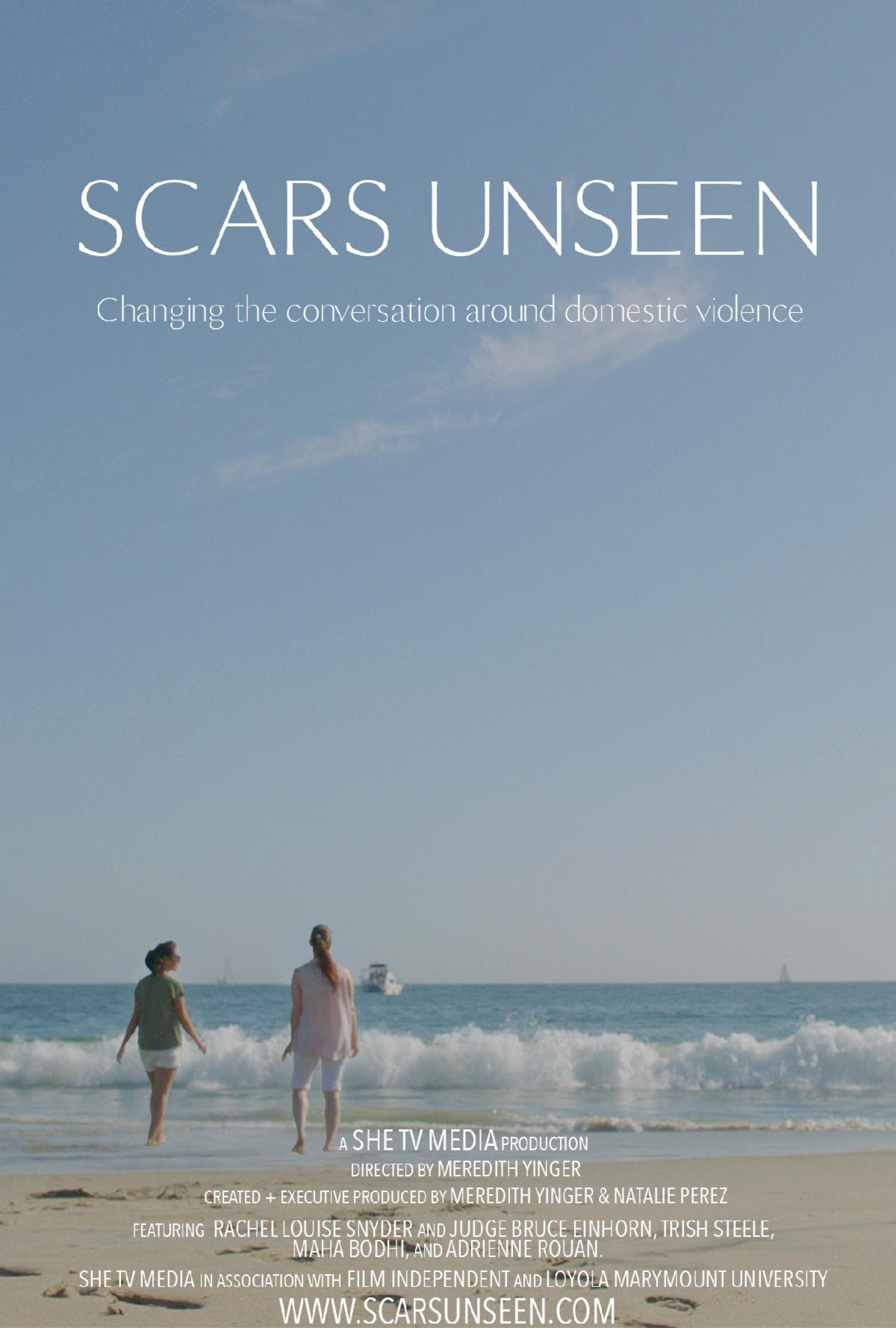
Hey there, peeps. We’re gonna be discussing a documentary we had the privilege of viewing prior to its debut, Scars Unseen: Changing the Conversation around Domestic Violence.
Immediately, I was impressed. In only the first minute of this work, a content/trigger warning was issued along with an acknowledgement mentioning that everyone’s situation regarding domestic violence looks different; that this team recognizes these stories are from three womxn out of so many more. Just because our lives may not look like the lives of these womxn doesn’t mean that it’s not happening to someone we know or to us ourselves. Domestic violence takes many forms, and if you need help, get it. Obviously, abusive situations are far from being that cut and dry and it is never that simple to get out, but the encouragement and validity coming through the screen is pertinent from the start. It made me feel like I was really in the room, already being seen.
While this film opens with a statistical update of every one in four womxn experiencing domestic violence going to one in every three – referenced as the Shadow Pandemic – due to the COVID-19 pandemic, this documentary feels truly timeless. Unfortunately, saying that makes my stomach churn, because even though this work debuts later this month in June of 2024, people, especially womxn, have been victims of this behavior since the beginning of time. So, it is still important to talk about.
Something about Scars Unseen that is most notable is the implied question of why these womxn are sharing their stories when asked. Each answer they give and offer up blows me away. If Adrienne can just help one person, then she will have felt there was purpose to her suffering and pain. Trish wants to show other people in domestic violence situations that there’s always a way out; while Maha strives to help the people taking her yoga class release their trauma inhabiting their bodies and access a part within themselves that’ll assist in their healing processes. She even shares that hearing how she’s helped them is more rewarding than any paycheck.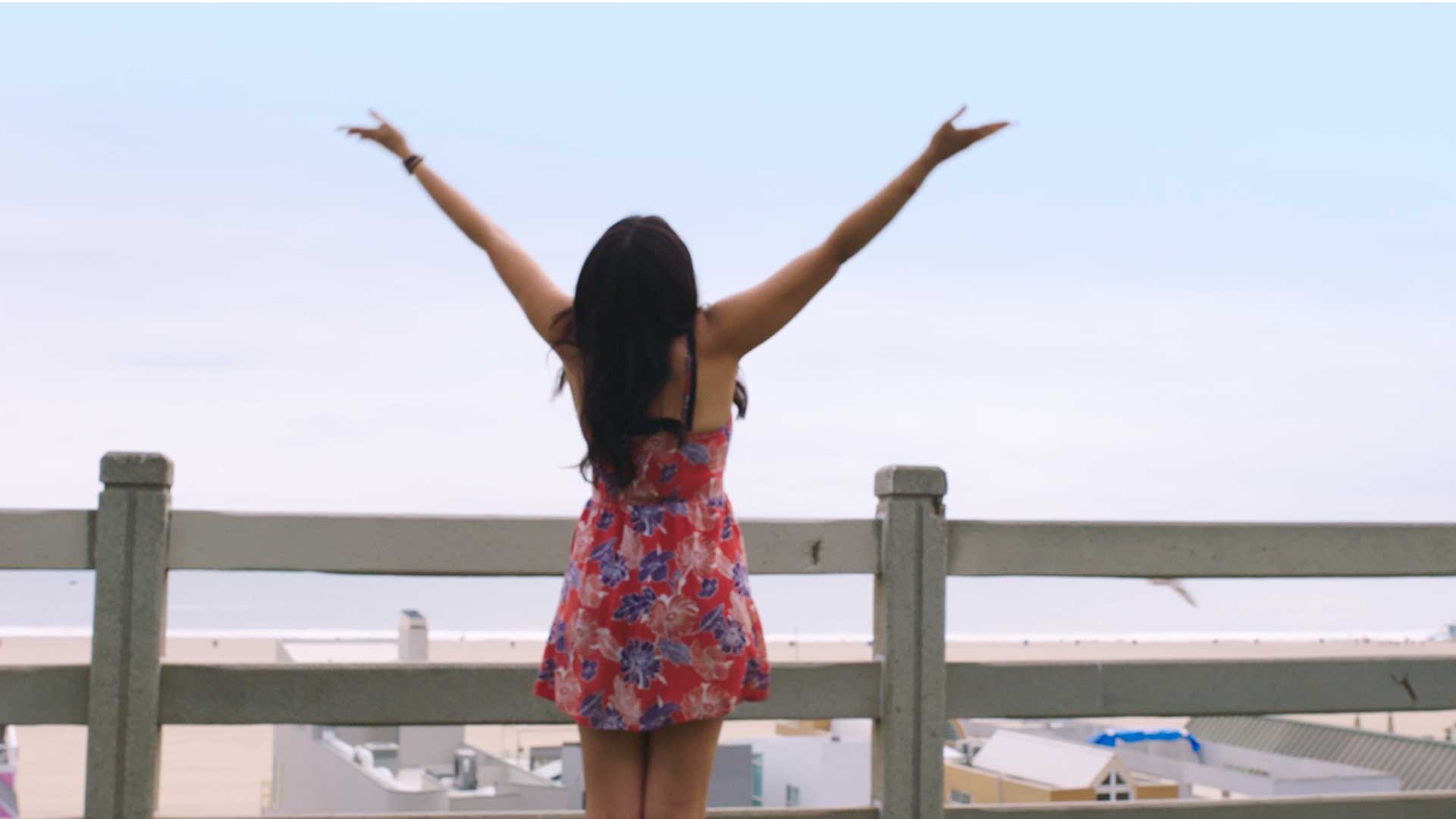
I mean, what’s amazing to me is the true selflessness modeled by these three womxn. Even though horrible, egregious things happened to them that weren’t their faults, they are still focused on giving back. Even I, a viewer at home watching them on my laptop screen, gained something from each of them. From Adrienne, it is her striking patience and forgiveness with the situation, her abuser, and even herself as she’s learning how to re-navigate her life. From Trish, it’s the reminder that good people in your life will be there for you, including yourself. As for Maha, the woman I feel the most influenced by, it’s the realization that there is a potential of growth and power one can gain when it comes to being pushed to their limits, and that you choose whether to “break down or break open.”
I could tell that these three were really, truly given the space to talk and to just “be.” There was no pushing, only support and love, coming from the people on the other side of the cameras and other equipment. That’s what you get from womxn who are really listening. Either they empathize or sympathize, but either way, it’s evident that the space was created, offered, and gladly given to these survivors. Major props to director Meredith Yinger for setting up that space.
Their stories left me stunned. Maha, Adrienne, and Trish’s levels of growth, healing, and transformation are so evident, even though they themselves may not feel that all the time. I really wish and hope that they feel proud of themselves, down to their cores.
Something I have a hard time doing is rating content like this. It reminds me of I’m Glad My Mom Died by Jennette McCurdy. I liked reading that memoir for many reasons, but I wouldn’t rate her book because it was also her experience, her life, and her reality. She chose to share a huge, painful part of that, and I just felt incredibly lucky and grateful to have gotten to soak it all in. The same applies here for me with Maha, Adrienne, and Trish.
It is good to see that content is being shared about this painful topic, to say the least. There is no good or bad in terms of quality here, in my opinion. It is healthy that it is being shared.
The other thing I took from this is that it’s just as beneficial for us all to listen. Listening to one another is really, really taken for granted sometimes; one of the simplest of things overlooked. But if you have the space and the opportunity to just listen to someone, it really goes a long way, no matter what the situation.
These womxn are victims, survivors, but also, still actively healing. Maha mentions the journey as never-ending, and she is absolutely right. There is no medication or one-time treatment that will “fix” their tragedies. The cruel thing is they have to do the work that someone else plagued them with. But all three of them are still doing just that, the work, forever exploring that space there is to grow in, and learning how to take better care of themselves as they try and move along.
Maha, Adrienne, and Trish are champions of showing what it looks like for them learning how to live again after escaping.
Rating: Usually, we’d give a film a rating between 1 and 5, but since this one is a documentary, I am simply rating the work as positive. I feel very honored to have witnessed parts of these womxn’s stories before it all debuts.
Thank you to Dominion3 Inc. for the advanced screening.
National Domestic Violence Hotline: 800-799-7233
National Sexual Assault Hotline: 800-656-4673
Suicide and Crisis Lifeline: 988

 Pop Culture Uncovered
You must be logged in to post a comment.