
After all of these years, Hello Kitty is a ‘she’ but not a cat!
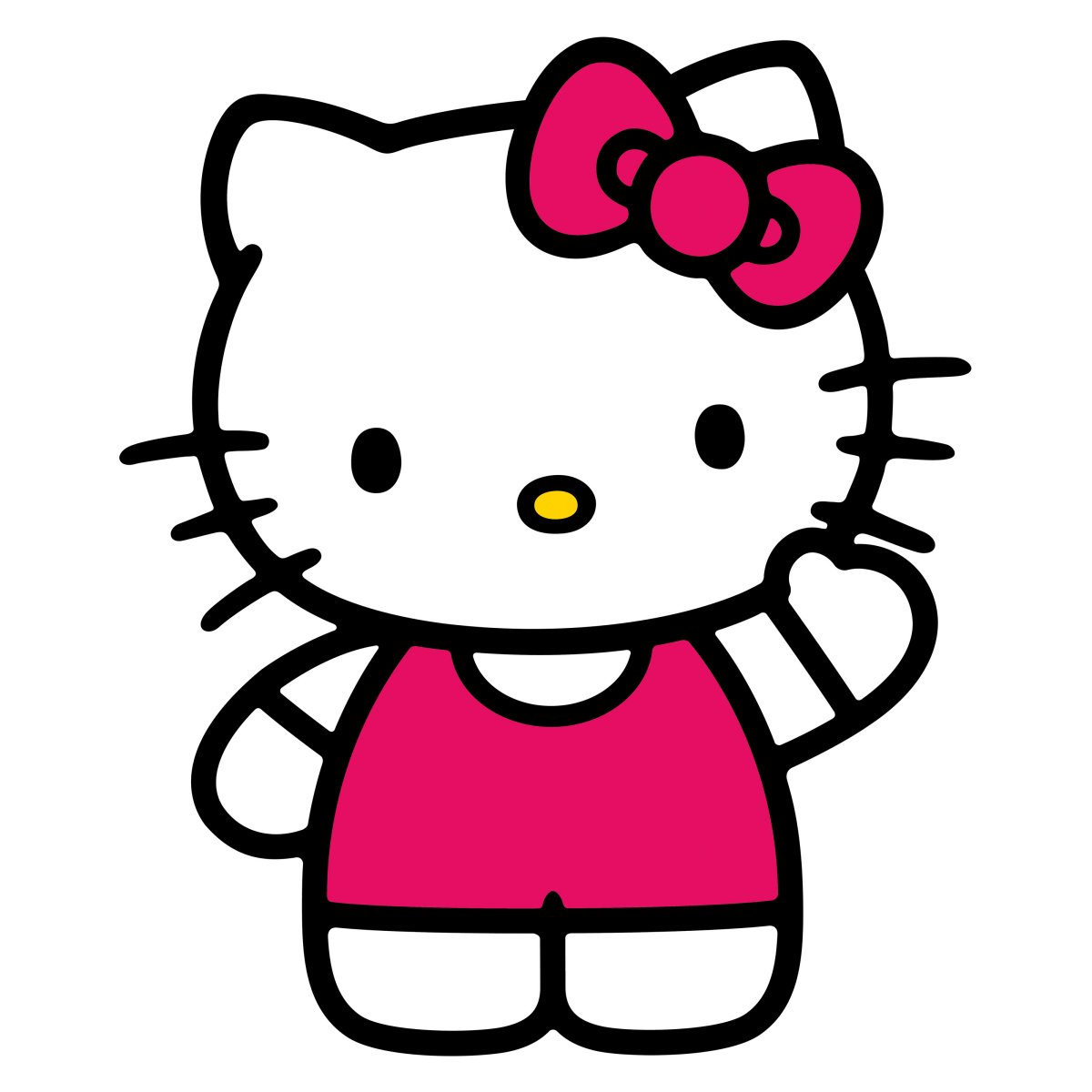
In some news sure to blow your mind and that of adults and kids all over the world, it has been revealed that Hello Kitty is NOT a cat. It’s a girl.
While you are still digesting this, this is what the LA Times had to say:
Christine R. Yano is an anthropologist from the University of Hawaii (and currently a visiting professor at Harvard) who has spent years studying the phenomenon that is Hello Kitty. She is also the author of the book “Pink Globalization: Hello Kitty’s Trek Across the Pacific,” published by Duke University Press last year. She says that Kitty’s unreadable features (she usually doesn’t have a mouth), along with clever merchandising, has helped cultivate the character’s following.
“Hello Kitty works and is successful partly because of the blankness of her design,” Yano says. “People see the possibility of a range of expressions. You can give her a guitar, you can put her on stage, you can portray her as is. That blankness gives her an appeal to so many types of people.”
Hello Kitty is not a cat.
You read that right. When Yano was preparing her written texts for the exhibit at the Japanese American National Museum, she says she described Hello Kitty as a cat. “I was corrected — very firmly,” she says. “That’s one correction Sanrio made for my script for the show. Hello Kitty is not a cat. She’s a cartoon character. She is a little girl. She is a friend. But she is not a cat. She’s never depicted on all fours. She walks and sits like a two-legged creature. She does have a pet cat of her own, however, and it’s called Charmmy Kitty.”
Hello Kitty is British.
Kitty is actually named Kitty White and she has a full back story. She is a Scorpio. She loves apple pie. And she is the daughter of George and Mary White.
“She has a twin sister,” adds Yano. “She’s a perpetual third-grader. She lives outside of London. I could go on. A lot of people don’t know the story and a lot don’t care. But it’s interesting because Hello Kitty emerged in the 1970s, when the Japanese and Japanese women were into Britain. They loved the idea of Britain. It represented the quintessential idealized childhood, almost like a white picket fence. So the biography was created exactly for the tastes of that time.”
So…has your childhood been ruined by this revelation?
It happens. Look at what Michael Bay has done to Transformers.

 Pop Culture Uncovered